
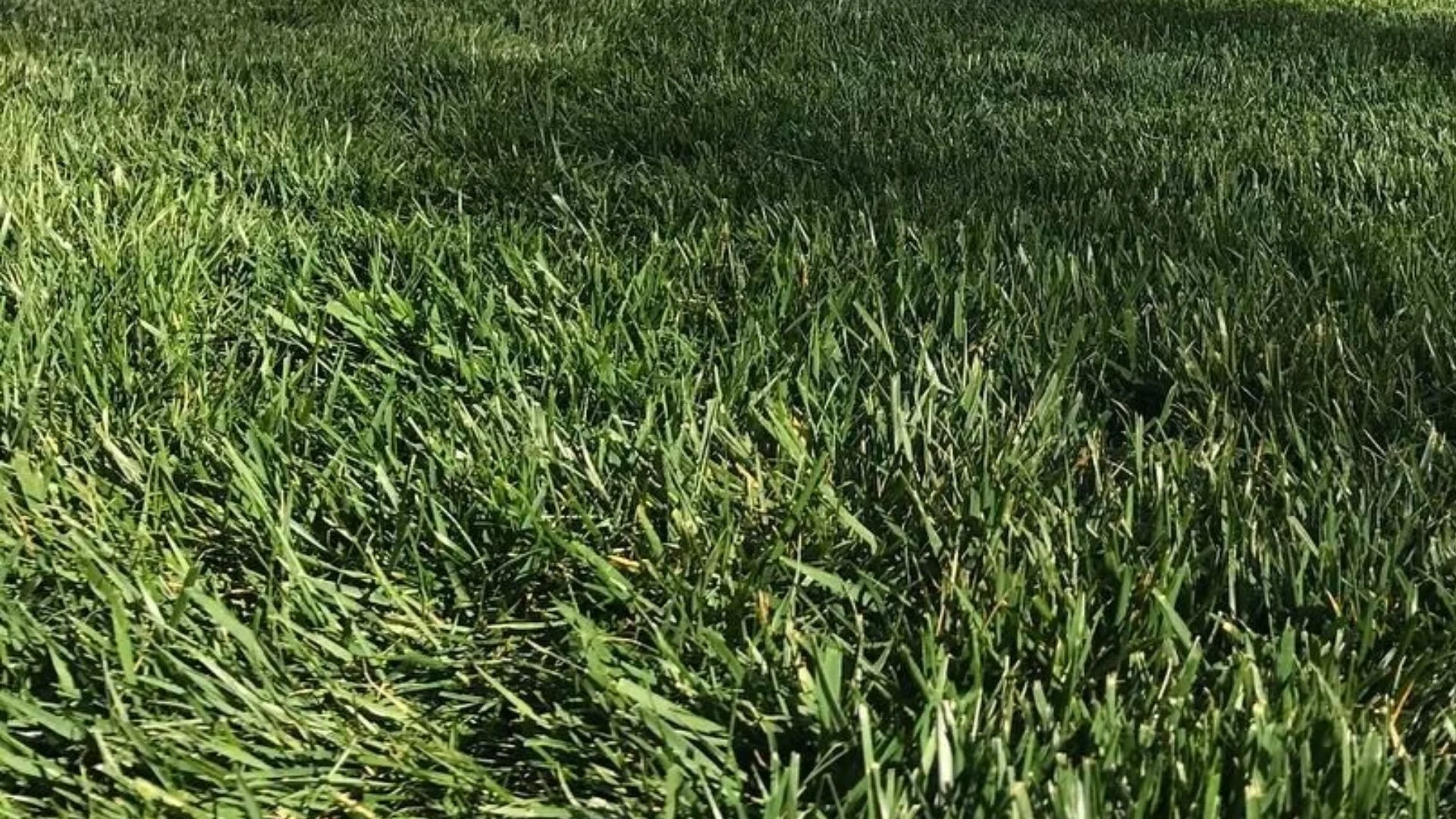
Overseeding your lawn is a great way to thicken it and fill in bare patches with new grass. However, before you do so, there are a few things you should do to ensure the best results. First, you should mow your lawn shorter than usual to help provide good seed-to-soil contact. Next, you'll want to remove any debris from your lawn so that it doesn't block the seeds from reaching the soil. Finally, you'll want to aerate your lawn to loosen compacted soil and create channels that the seeds can fall into. Once you've performed these tasks, you'll be ready to overseed your lawn in North Carolina!
Mow your lawn shorter than usual before overseeding to help provide good seed-to-soil contact.
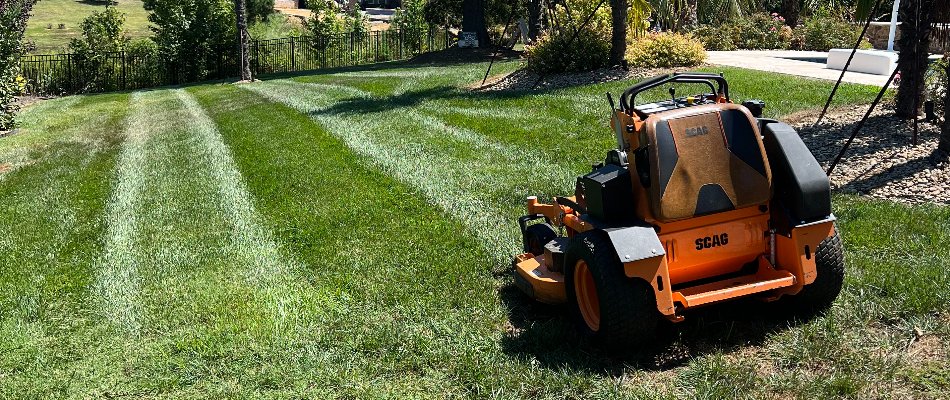
A crucial first step in preparing your lawn for overseeding is to mow it shorter than its regular height. Cutting the grass encourages better seed-to-soil contact, which is essential for germination. When grass is kept shorter, the new grass seeds can easily reach the soil, enhancing their ability to establish roots. This practice also ensures that the existing grass does not overshadow the seeds, allowing ample sunlight to penetrate and aid the germination process.
When mowing, be sure to set your mower blades lower than usual, but avoid scalping the lawn. By maintaining a shorter grass height, you're setting the stage for the new seeds to integrate seamlessly with the existing lawn, fostering robust growth.
Remove any debris from your lawn before overseeding it so the seeds can reach the soil.
Before overseeding, it's essential to clear your lawn of any debris that might impede seed-to-soil contact. Leaves, fallen branches, and other organic matter can form a barrier, preventing seeds from reaching the ground effectively. Use a rake or leaf blower to thoroughly clean the surface of your lawn. Pay special attention to edges and corners where debris tends to accumulate, as these areas can often be overlooked.
Ensuring a debris-free lawn is crucial because even small obstructions can hinder the seeds’ ability to settle into the soil properly. By removing all surface debris, you create a clean slate for the seeds. This clear path allows for better seed distribution and maximizes their potential to germinate and grow robustly, setting the stage for a healthier, more vibrant lawn.
Aerate your lawn before overseeding to loosen compacted soil and create channels for the seeds to fall into.
Aerating your lawn is a critical step in preparing for overseeding that shouldn’t be overlooked. Aeration involves creating small holes in the soil to allow air, water, and nutrients to reach the root zone. This process alleviates soil compaction, making it more welcoming for new seeds. The grass seeds can also fall into the holes created during the aeration process, providing them with the ideal conditions to establish themselves and protection from the elements.
The removed plugs should be left on the lawn to decompose naturally, returning organic matter to the soil. By creating channels in the soil, aeration enables better seed anchorage and root penetration, resulting in a healthier, more resilient lawn. The improved soil structure also enhances drainage, reducing the risk of waterlogging and promoting optimal seed germination.
Give us a call today to schedule our overseeding service.
If you want to thicken your lawn and fill in any bare or patchy areas with new grass, our overseeding service is just what you need. Our team at Carolina Turf Lawn and Landscape will spread a premium blend of grass seeds across your lawn to increase its density and improve its overall appearance. Our team uses tall fescue grass seeds for cool-season lawns and bermudagrass seeds for warm-season lawns. This service also includes a starter fertilizer treatment to provide the seeds with the nutrients they need to grow well.
We offer our overseeding service to commercial and residential properties, as well as HOAs, in Matthews, Charlotte, Midland, and throughout the surrounding areas in North Carolina. Give us a call at (704) 649-0430 to schedule this service!

Comments (0)
Thanks for your comment!
Thanks for your feedback! Your comments have been successfully submitted! Please note, all comments require admin approval prior to display.
Error submitting comment!
There is a problem with your comment, please see below and try again.