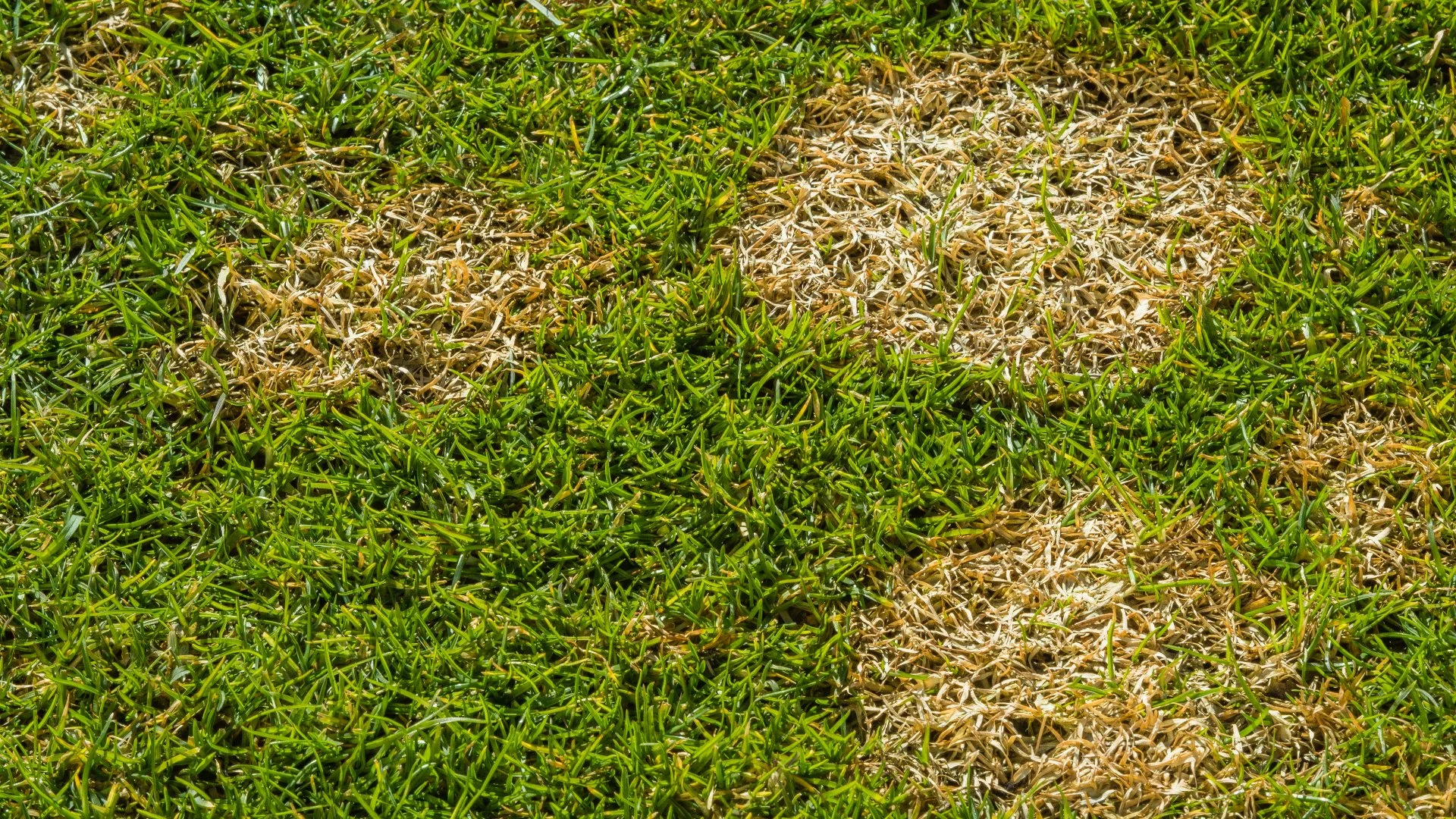
Lawn diseases, often caused by fungi, don't typically disappear on their own and can spread rapidly if untreated. It's crucial to act quickly by scheduling curative treatments to stop the disease and prevent further damage. Preventing future diseases involves identifying root causes like poor drainage or improper watering and addressing them. Regular maintenance, such as aerating and proper mowing, also helps. Investing in preventative treatments creates a protective barrier against diseases. Regular application, especially during high-risk seasons, reduces the likelihood of outbreaks, ensuring your lawn in North Carolina stays healthy and vibrant year-round.
Lawn Diseases Don't Typically Go Away on Their Own
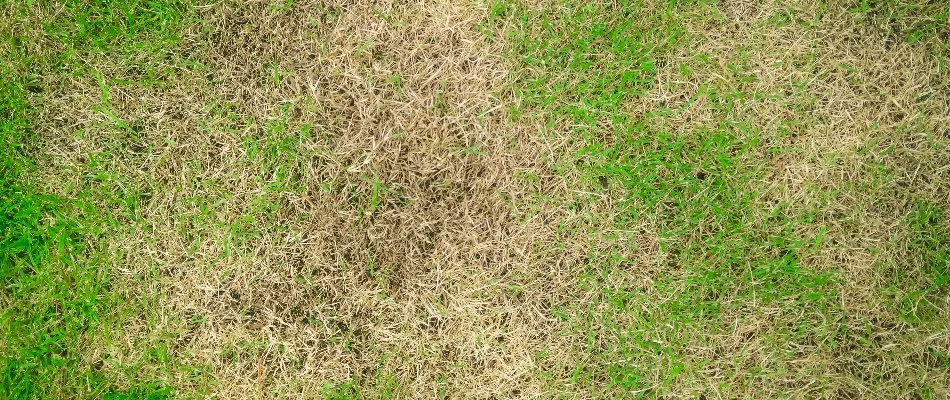
Lawn diseases are usually caused by fungi or other pathogens that thrive in certain conditions. While some might reduce when conditions change, waiting for this is a gamble. Diseases can spread quickly if you don't treat them, leading to major damage. Factors like humidity, temperature, and improper watering can help these diseases thrive, making your lawn look worse.
Sometimes, a disease might seem to go away because conditions aren't right for it, but that doesn't mean it's gone forever. If you don't take action, the disease can come back when conditions improve. That's why it's important to tackle the issue head-on.
If you suspect your lawn has a disease, schedule a curative treatment ASAP.
If you think your lawn has a disease, act quickly. Scheduling a curative treatment can stop the disease and prevent it from spreading. These treatments usually involve applying special solutions to fight the specific problem affecting your lawn. Professional lawn care services can identify the disease and recommend the best treatment. They know how to spot the issue and apply the right solutions to bring your lawn back to health. Acting early is key to reducing damage and speeding up recovery.
How to Prevent Future Lawn Diseases
Preventing lawn diseases is often easier than dealing with them after they appear. Start by identifying the root cause, such as poor drainage or improper watering, which can create ideal conditions for disease development. By addressing these issues, you can significantly reduce the risk of future problems. Ensure water doesn't pool on your lawn to avoid disease, and water deeply but infrequently to promote strong root growth. Additionally, avoid watering at night to prevent fungal growth.
Regular lawn maintenance also plays a crucial role in prevention. Aerating your lawn helps air, water, and nutrients reach the roots, keeping it healthy and less susceptible to disease. Mow properly by keeping mower blades sharp and avoiding cutting more than a third of the grass height, which reduces stress and strengthens your lawn.
Investing in preventative disease control treatments is another effective strategy. These treatments can include applying fungicides or other protective solutions that create a barrier against common lawn diseases. Regular application of these treatments, especially during high-risk seasons, can significantly reduce the likelihood of disease outbreaks, ensuring your lawn remains healthy and vibrant year-round
Call us today to schedule our lawn disease control service.
When a lawn disease strikes, you need a team of professionals to handle it. That's where we come in. At Carolina Turf Lawn and Landscape, we offer a lawn disease control service that provides effective curative treatments to eliminate the infection and prevent it from causing further damage to your grass. Our treatments can protect your lawn from various diseases, such as brown patch. With our expertise and commitment to quality service, you can trust that your lawn will be in good hands.
We offer our lawn disease control service to residential and commercial properties, as well as HOAs, in Matthews, Charlotte, Midland, and other nearby areas in North Carolina. Call us today at (704) 649-0430 to schedule this service and say goodbye to lawn diseases for good!

Comments (0)
Thanks for your comment!
Thanks for your feedback! Your comments have been successfully submitted! Please note, all comments require admin approval prior to display.
Error submitting comment!
There is a problem with your comment, please see below and try again.